Tired, heavy legs, ankles that swell by evening and visible varicose veins are everyday complaints for many older adults. Doctors often recommend compression socks to help, but anyone who has tried to pull a tight compression stocking over a swollen ankle knows the real problem: getting them on. With arthritis in the hands, a stiff back or limited hip movement, many seniors give up after a few days, and the socks end up in a drawer.
This guide focuses on compression options that older adults can actually use: mild over-the-counter compression, zipper socks, wide calf sizes and the tools that make putting them on possible. It explains which problems compression helps with, who should avoid it, and compares five products on Amazon, including a non-binding alternative for people who should not wear compression.
As an Amazon Associate we earn from qualifying purchases, at no extra cost to you.
How we chose: picks are based on compression level, ease of putting on, size range, comfort and customer feedback. We did not receive free products. Read our How We Review page.
Important: compression is not safe for everyone. People with peripheral artery disease (poor arterial circulation), advanced diabetes with neuropathy, heart failure, skin infections or fragile skin should talk to a doctor before wearing compression of any level.
Our top 5 picks at a glance
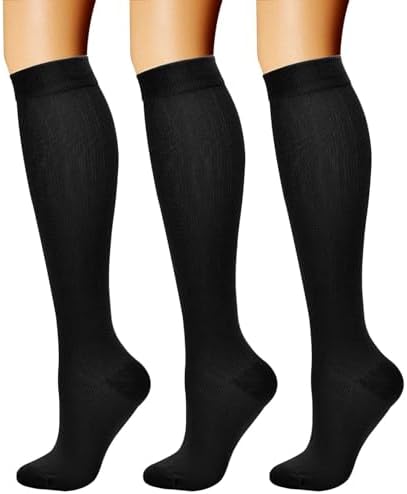
CHARMKING Compression Socks 15-20 mmHg (3 Pairs)
$9.99 on Amazon as of Oct 14, 12:31 pm ET*
- Mild 15-20 mmHg
- Multi-pack value
- Many colors and sizes
Best for: Everyday tired, achy legs
Check price on Amazon →
Zipper Compression Socks, Closed Toe, 15-20 mmHg
$17.99 on Amazon as of Oct 14, 12:31 pm ET*
- Side zipper
- Closed toe
- 2 pairs
Best for: Weak or arthritic hands
Check price on Amazon →
LEVSOX Wide Calf Compression Socks 15-20 mmHg
$22.39 on Amazon as of Oct 14, 12:31 pm ET*
- Plus size calf
- Knee high
- Mild compression
Best for: Larger calves and swelling
Check price on Amazon →
Vive Sock Aid
$18.99 on Amazon as of Oct 14, 12:31 pm ET*
- No bending needed
- Works with socks and stockings
- Long pull straps
Best for: Back or hip limits
Check price on Amazon →
Viasox EasyStretch Non-Binding Diabetic Socks
$14.99 on Amazon as of Oct 14, 12:31 pm ET*
- Non-binding top
- Stretchy and roomy
- For diabetes and swelling
Best for: When compression isn't advised
Check price on Amazon →Our rating is an editorial score based on safety, ease of use, comfort, value and verified customer feedback (see How We Review); it is not an Amazon customer rating. *Product prices and availability are accurate as of the date/time indicated and are subject to change; any price and availability information displayed on Amazon at the time of purchase will apply. As an Amazon Associate we earn from qualifying purchases.
Problems Compression Socks Can Help With
Swelling in the feet and ankles
Graduated compression is tighter at the ankle and looser up the leg, helping push fluid back toward the heart. Many people notice less swelling at the end of the day. For footwear that fits swollen feet, see our guide to the best shoes for swollen feet.
Tired, heavy, achy legs
People who sit or stand for long periods often feel heaviness in their legs by evening. Mild compression can reduce that feeling.
Varicose and spider veins
Compression supports vein walls and may ease the discomfort of varicose veins, although it doesn't make existing veins disappear.
Blood clot risk during travel or reduced mobility
Long flights, car rides and periods of inactivity increase the risk of deep vein thrombosis (DVT). Doctors sometimes recommend compression for travel or after surgery. Medical-grade prescriptions should follow the doctor's advice.
The struggle of putting socks on
This is the problem that stops most people. Zipper designs, wider calf sizes and sock aids solve it, making compression a realistic daily habit.
Understanding Compression Levels
- 8 to 15 mmHg (light): for mild tiredness and comfort.
- 15 to 20 mmHg (moderate, over-the-counter): the most common level for everyday swelling, travel and achy legs. All compression picks in this guide are in this range.
- 20 to 30 mmHg and above (medical grade): for venous disease, significant edema or after a clot. These should be fitted and recommended by a health professional.
Who Should Not Wear Compression Without Medical Advice
Compression can be harmful if arteries can't deliver enough blood to the legs. Check with a doctor first if you have peripheral artery disease, cold or pale feet, leg pain when walking that eases with rest, diabetes with numbness, heart failure with significant swelling, skin infections, open wounds or very fragile skin. If socks cause pain, numbness, tingling or skin color changes, remove them and seek advice. In these cases, non-binding socks that don't squeeze are a safer alternative.
How to Choose Compression Socks for Seniors
Measure, don't guess
Size is based on ankle and calf circumference, not shoe size alone. Measure in the morning, before swelling increases.
Pick a design you can put on
Zipper socks open along the side. Closed-toe zipper models protect the toes. A sock aid lets you slide the sock on without bending.
Consider calf width
Standard socks can dig into larger calves and create a tourniquet effect at the top band. Wide calf sizes prevent that.
Knee high is usually enough
For most everyday uses, knee-high socks are easier to put on than thigh-high stockings and help with lower-leg swelling.
Comfort and skin
Breathable fabrics reduce sweating and irritation. Check the skin when you take the socks off at night.
The 5 Best Options, Reviewed
1. CHARMKING Compression Socks 15-20 mmHg: Best Overall
Problem it solves: everyday leg fatigue and mild swelling at an affordable price.
CHARMKING is one of the most popular compression sock brands on Amazon. The multi-pack gives three pairs at 15 to 20 mmHg, so you can rotate through the week. They're available in many sizes and colors, which makes them feel more like regular socks than medical wear.
- Key benefits: moderate OTC compression, great value, wide size range.
- Things to consider: standard pull-on design; may be hard for weak hands without a sock aid.
- Best for: people who can put on regular socks and want daily relief.
2. Zipper Compression Socks, Closed Toe: Easiest to Put On
Problem it solves: not being able to pull tight socks over the heel.
These socks have a side zipper, so you open them, place the foot in and zip up. The closed toe protects the toes, and the 15 to 20 mmHg level matches everyday needs. For people with arthritis or caregivers helping someone dress, zippers can be the difference between using compression or not.
- Key benefits: much easier entry, closed toe, two pairs.
- Things to consider: zippers can pinch skin if pulled quickly; place the leg first, zip slowly. Not for people with fragile skin over the zipper line.
- Best for: weak or arthritic hands and caregiver-assisted dressing.
3. LEVSOX Wide Calf Compression Socks: Best Wide Calf
Problem it solves: socks that dig into larger or swollen calves.
LEVSOX makes plus-size, wide calf compression socks at 15 to 20 mmHg. The roomier calf avoids the painful band at the top of standard socks and fits legs with chronic swelling more comfortably.
- Key benefits: wide calf fit, knee-high, mild compression.
- Things to consider: measure calf circumference to choose the right size.
- Best for: larger legs and chronic swelling.
4. Vive Sock Aid: Must-Have Tool
Problem it solves: bending over to put socks and stockings on.
A sock aid is a flexible sleeve with long straps. You slide the sock over the sleeve, put the sleeve on the floor, place the foot in and pull the straps. The sock slides on without bending. It's useful after hip replacement, with back pain or for anyone who can't reach their feet.
- Key benefits: preserves independence in dressing, inexpensive, works with regular socks.
- Things to consider: very tight medical stockings can be harder to load; practice helps.
- Best for: people with hip, knee or back limitations.
5. Viasox EasyStretch Non-Binding Diabetic Socks: Best Non-Compression Alternative
Problem it solves: regular socks that leave deep marks on swollen legs, when compression isn't advised.
Not everyone should wear compression. Viasox EasyStretch socks are designed for diabetes and swelling: a non-binding top that doesn't squeeze, and a stretchy, roomy fit. They protect the feet without restricting circulation.
- Key benefits: no tight band, comfortable over swelling, suitable for many people with diabetes.
- Things to consider: they don't provide compression or reduce swelling.
- Best for: people with PAD, neuropathy or when the doctor advises against compression.
Side-by-Side Comparison
| Product | Compression | Ease of putting on | Best problem solved |
|---|---|---|---|
| CHARMKING | 15-20 mmHg | Standard | Everyday tired legs |
| Zipper Closed Toe | 15-20 mmHg | Easy (zipper) | Weak hands |
| LEVSOX Wide Calf | 15-20 mmHg | Standard, roomier | Larger calves |
| Vive Sock Aid | Tool | No bending | Back and hip limits |
| Viasox EasyStretch | None | Easy | When compression isn't advised |
How to Put On Compression Socks More Easily
- Put them on in the morning, before swelling builds up.
- Make sure legs are dry; use a little talc or wear rubber gloves for better grip.
- Turn the sock inside out down to the heel, place the foot in, then roll the rest up the leg.
- Smooth out wrinkles; folds create pressure lines.
- Never roll or fold the top band down, which creates a tight band.
- Remove at night unless the doctor says otherwise, and check the skin.
Other Ways to Ease Swollen, Tired Legs
- Walk regularly and do ankle pumps while sitting.
- Elevate the legs when resting; a lift recliner helps.
- Limit salt and stay hydrated.
- Avoid crossing the legs for long periods.
- Track blood pressure with a home monitor if swelling is linked to heart or blood pressure issues.
Frequently Asked Questions
Can I sleep in compression socks?
Usually not necessary, and they can be uncomfortable at night. Follow your doctor's advice.
How long do compression socks last?
Elastic loses strength over time. Replace them every three to six months with regular use.
Are compression socks safe for diabetics?
Sometimes, but only with medical approval, because of the risk of reduced circulation and unnoticed skin damage. Non-binding diabetic socks are a safer default.
Does insurance cover compression socks?
Over-the-counter socks are usually not covered. Some plans cover prescribed medical-grade garments; check with yours.
Conclusion
Compression can relieve swelling, tired legs and vein discomfort, but only if it's safe for the person and they can actually put the socks on. For most seniors cleared for mild compression, CHARMKING 15-20 mmHg socks are the best all-around value. If hands are weak, zipper closed-toe compression socks make dressing possible, and LEVSOX Wide Calf socks fit larger legs comfortably. Add the Vive Sock Aid if bending is a problem. And when compression isn't advised, Viasox EasyStretch non-binding socks protect the feet without squeezing.
Talk to a doctor before starting compression, measure carefully and check the skin daily. For support with the emotional side of living with a chronic condition, visit our sister site Health & Heart Caregiver.
Related Guides
Best Weighted Blankets for Anxiety and Sleep (2026)
Rollator vs Walker: Which Is Better for Seniors?
Best Blood Pressure Monitors for Home Use (2026)
Best Automatic Pill Dispensers for Seniors (2026)
This article is for general information only and is not medical advice. See our Medical Disclaimer and Affiliate Disclosure.