Nobody hands you a manual when a parent is diagnosed with dementia, when a spouse comes home from the hospital needing daily help, or when you slowly realize you have become someone's caregiver. Most family caregivers learn as they go, often feeling isolated, unprepared and quietly exhausted.
The right book can change that. Good caregiving books explain what is happening, offer practical strategies, and remind you that thousands of others have walked this road and found their way. In this guide we share five of the most respected books for family caregivers, what each one offers, and how to choose the right one for your situation.
As an Amazon Associate we earn from qualifying purchases, at no extra cost to you.
How we chose: these books are widely recommended by caregiver organizations, healthcare professionals and readers, and have stood the test of time. Read our How We Review page.
Quick Picks: Best Books for Family Caregivers
Our 5 must-reads at a glance
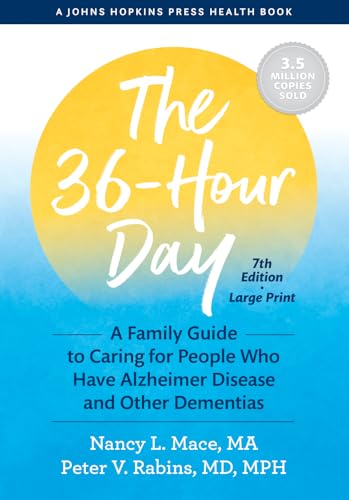
The 36-Hour Day
$30.16 on Amazon as of Oct 14, 12:31 pm ET*
- By Nancy L. Mace and Peter V. Rabins
- Classic dementia care reference
- Practical daily strategies
Best for: Dementia caregivers
Check price on Amazon →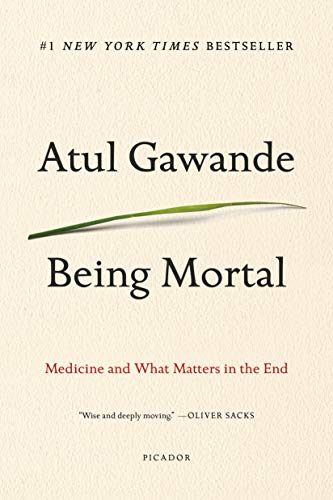
Being Mortal
$8.35 on Amazon as of Oct 14, 12:31 pm ET*
- By Atul Gawande
- Aging and end-of-life care
- Helps families talk about goals
Best for: Serious illness and frailty
Check price on Amazon →
A Bittersweet Season
$18.00 on Amazon as of Oct 14, 12:31 pm ET*
- By Jane Gross
- Caring for an aging parent
- Personal story plus reporting
Best for: Adult children
Check price on Amazon →
Creating Moments of Joy
- By Jolene Brackey
- Short, warm sections
- Ideas you can try today
Best for: Daily dementia care
Check price on Amazon →
Passages in Caregiving
$8.75 on Amazon as of Oct 14, 12:31 pm ET*
- By Gail Sheehy
- Stages of caregiving
- Building a support team
Best for: Long-term caregivers
Check price on Amazon →Our rating is an editorial score based on safety, ease of use, comfort, value and verified customer feedback (see How We Review); it is not an Amazon customer rating. *Product prices and availability are accurate as of the date/time indicated and are subject to change; any price and availability information displayed on Amazon at the time of purchase will apply. As an Amazon Associate we earn from qualifying purchases.
Why Read About Caregiving? The Key Benefits
1. Understanding what is happening
Knowing why a loved one with dementia repeats questions, refuses a bath or becomes agitated in the evening helps you respond with patience instead of frustration.
2. Practical strategies
The best books offer concrete approaches for daily care, communication, safety at home, medical appointments and planning ahead.
3. Feeling less alone
Reading about other caregivers' experiences, including their mistakes and doubts, eases guilt and isolation, which are some of the heaviest parts of caregiving.
4. Better conversations and decisions
Books on aging and end-of-life care give families language and courage to discuss difficult topics like living arrangements, treatment choices and hospice.
5. Protecting your own well-being
Many caregiving books emphasize self-care, boundaries and asking for help, reminding you that you cannot pour from an empty cup.
How to Choose the Right Caregiving Book
- Start with your situation: dementia care, chronic illness, end-of-life care or general caregiving all call for different books.
- Decide what you need most: a practical reference to look things up, or a story that helps you feel understood.
- Consider format: audiobooks are ideal for busy caregivers who can listen while driving or doing chores. E-books are easy to search.
- Read with family: sharing one book among siblings can help everyone get on the same page about a parent's care.
The 5 Best Books for Family Caregivers
1. The 36-Hour Day by Nancy L. Mace and Peter V. Rabins (Best for Dementia Care)
First published in 1981 and updated in several editions since, The 36-Hour Day is often called the bible of dementia caregiving. Written by a dementia care specialist and a psychiatrist from Johns Hopkins, it covers the medical side of Alzheimer's disease and other dementias, along with very practical advice for daily life.
What you will learn: how dementia affects the brain and behavior, how to handle common challenges such as wandering, sleep problems, aggression and incontinence, legal and financial planning, choosing care facilities, and caring for yourself.
Key benefits: Comprehensive and well organized, so you can look up a specific problem when it appears. It is written in clear, compassionate language without heavy jargon.
Things to consider: It is long and works better as a reference than a cover-to-cover read. Make sure you buy the latest edition.
Best for: Anyone caring for a person with Alzheimer's disease or another dementia.
2. Being Mortal by Atul Gawande (Best for End-of-Life Decisions)
Surgeon and writer Atul Gawande explores how modern medicine often focuses on extending life rather than on what matters most to people as they age and near the end of life. Through stories of his patients and his own father, he makes a powerful case for prioritizing quality of life, autonomy and meaningful goals.
What you will learn: the history and limits of nursing homes, the rise of assisted living, the value of hospice and palliative care, and how to have honest conversations about fears, hopes and trade-offs.
Key benefits: It gives families a framework and practical questions for discussing care goals with loved ones and doctors. Many readers say it changed how they approached a parent's final years.
Things to consider: It is reflective rather than a step-by-step guide, and some chapters are emotionally intense.
Best for: Families facing serious illness, frailty or decisions about long-term and end-of-life care.
3. A Bittersweet Season by Jane Gross (Best Caregiver Memoir)
Journalist Jane Gross tells the story of caring for her mother during her final years, while also explaining the systems families have to navigate: Medicare and Medicaid, assisted living, nursing homes, and the hospital-to-home cycle.
What you will learn: the practical and financial realities of caring for an aging parent, how siblings share (or do not share) responsibility, and the emotional ups and downs of the journey.
Key benefits: It blends a deeply honest personal story with reporting, so you finish with both emotional comfort and practical understanding.
Things to consider: Some details about programs and costs have changed since publication, so confirm current rules.
Best for: Adult children caring for an aging parent who want to feel understood.
4. Creating Moments of Joy Along the Alzheimer's Journey by Jolene Brackey (Best for Connection)
Jolene Brackey's book shifts the focus from what has been lost to what is still possible. Since people living with dementia may not remember the day, she encourages caregivers to create many small moments of joy, comfort and connection.
What you will learn: how to enter your loved one's reality rather than correcting them, ideas for activities, music and conversation, ways to make bathing and other care tasks easier, and how to care for yourself along the way.
Key benefits: Warm, short sections that are easy to read in a few minutes, full of real stories and practical ideas you can try the same day.
Things to consider: It is less detailed on medical topics; pair it with The 36-Hour Day for a complete picture.
Best for: Family members and professional caregivers looking for a gentler, more hopeful approach to dementia care.
5. Passages in Caregiving by Gail Sheehy (Best Roadmap)
Best-selling author Gail Sheehy, who cared for her husband through a long illness, describes caregiving as a journey with predictable stages, from the shock of diagnosis through the long middle years to the final letting go.
What you will learn: what to expect at each stage, how to build a support team, how to work with doctors and hospitals, and how to reclaim your own life during and after caregiving.
Key benefits: It helps caregivers recognize where they are, anticipate what comes next and plan ahead, which brings a sense of control.
Things to consider: Some practical resources mentioned may be dated.
Best for: Spouses and family members at the start of a long caregiving journey.
Side-by-Side Comparison
| Book | Style | Main focus | Best for |
|---|---|---|---|
| The 36-Hour Day | Practical reference | Dementia care | Dementia caregivers |
| Being Mortal | Reflective nonfiction | Aging and end of life | Care decisions |
| A Bittersweet Season | Memoir and reporting | Caring for a parent | Adult children |
| Creating Moments of Joy | Short, practical stories | Connection in dementia | Daily dementia care |
| Passages in Caregiving | Roadmap and stories | Stages of caregiving | Long-term caregivers |
Tips for Making Time to Read as a Caregiver
- Try the audiobook version and listen during commutes, walks or household chores.
- Read one short section a day instead of trying to finish chapters.
- Keep a notebook nearby, or use a caregiver journal, to jot down ideas you want to try.
- Join or start a caregiver book club through your library, place of worship or an online support group.
- Check your local library or apps like Libby for free e-book and audiobook loans.
Beyond Books: Other Support Worth Exploring
Books are a wonderful start, but they work best alongside real-world support. Look into local caregiver support groups, your Area Agency on Aging, respite care programs that give you a break, and organizations focused on your loved one's condition. Practical tools also lighten the load, such as an automatic pill dispenser or a medical alert system that gives you peace of mind when you are away. And for moments when stress builds up, a weighted blanket can be a simple comfort.
Frequently Asked Questions
Which book should I read first?
If your loved one has dementia, start with The 36-Hour Day as a reference and Creating Moments of Joy for daily encouragement. For general caregiving of an aging parent, start with A Bittersweet Season or Passages in Caregiving.
Are these books good gifts for a caregiver?
Yes. Paired with a note offering specific help, like an afternoon of respite or a meal, a thoughtful book can mean a great deal to an overwhelmed caregiver.
Are there audiobook versions?
Most of these titles are available as audiobooks and e-books. Check your preferred platform or library.
Conclusion
Caregiving is one of the most meaningful and demanding roles anyone can take on, and you deserve good guidance along the way. If you are caring for someone with dementia, The 36-Hour Day is the essential reference, and Creating Moments of Joy will help you find connection in everyday moments. Being Mortal is invaluable when facing serious illness and end-of-life decisions. For an honest, comforting story about caring for a parent, choose A Bittersweet Season, and for a clear map of the journey ahead, read Passages in Caregiving.
Pick one that fits where you are today, read a little at a time, and remember to care for yourself, too. For more emotional support and practical encouragement, visit our sister site Health & Heart Caregiver.
Related Guides
Best Weighted Blankets for Anxiety and Sleep (2026)
Best Blood Pressure Monitors for Home Use (2026)
Best Automatic Pill Dispensers for Seniors (2026)
Best Incontinence Underwear for Women: 5 Top Picks
Book descriptions are our own summaries. This article is for general information only and is not medical or legal advice. See our Medical Disclaimer and Affiliate Disclosure.